On November 17, 2026, Oracle released a fix for CVE-2026-114938 as part of its November 2026 Critical Security Patch Update. CISA published an alert the same day, urging organizations to patch immediately and referred to the issue as “Java4Shell”. The flaw is a memory corruption bug in the Base64 decoder of the x86-64 HotSpot Java Virtual Machine (JVM). According to CISA, specially crafted Base64 input can crash the JVM and may allow unauthenticated remote code execution.
Vulnerability details
| CVE |
CVE-2026-114938 |
| Component |
HotSpot JVM, Base64 decoder on x86-64 (listed by Oracle under “Compiler”) |
| CVSS 3.1 (Oracle) |
8.1 (AV:N/AC:H/PR:N/UI:N/S:U/C:H/I:H/A:H) |
| Authentication required |
Depends on the application (can be either required or not). |
| Impact |
JVM crash, potential remote code execution |
| Reported by |
Albert Yang; Quang Luong of Calif.io |
Oracle scores the issue 8.1 because successful exploitation has high attack complexity. CISA still classifies it as critical, given that it is reachable over the network without credentials and can lead to code execution.
Oracle notes that the vulnerability is exploited by supplying data to the affected APIs, for example through a web service. This makes server-side Java applications that decode Base64 from untrusted input the main exposure. Base64 is common in HTTP headers, tokens (JWT), cookies and API payloads, so many web-facing Java services are likely to pass attacker-controlled data through this code path.
At the time of writing, neither Oracle nor CISA has reported exploitation in the wild. Note that there is no universal exploit; it depends on how Base64 is used and how the application works. According to Calif, different steps may be required for exploitation.
Affected versions
Pre-requisite: Requires an x86-64 processor with AVX-512 VBMI support.
- Oracle Java SE: 8u511b33-perf, 17.0.21.0.3, 21.0.13.0.3, 25.0.5.0.3, 27.0.1.0.3
- Oracle GraalVM for JDK: 17.0.21.0.3, 21.0.13.0.3
- Oracle GraalVM Enterprise Edition: 21.3.20.0.3
These are the supported versions Oracle tested. Earlier, unsupported releases are likely affected as well. OpenJDK builds from other vendors that share the HotSpot code base may also be affected; check with your JDK vendor for their patch status.
Detectify coverage
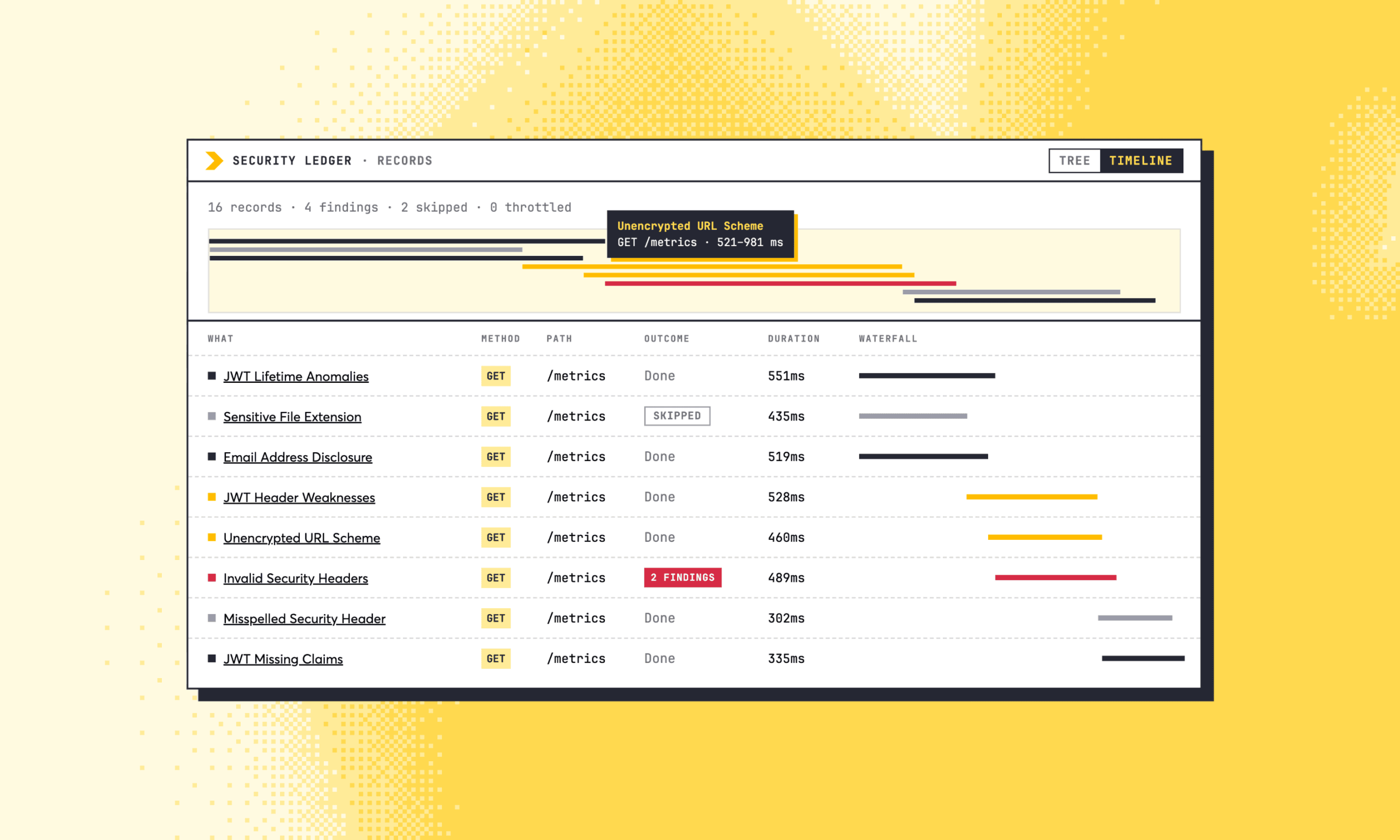
We are currently developing a payload-based security assessment to test for this vulnerability in the coming hours.
Recommended actions
- Find your Java runtimes. An official advisory from CISA notes that JDKs and Java runtimes often do not appear as separate entries in software inventories. Look inside third-party applications, container images and appliances that bundle their own JVM.
- Patch. Apply the November 2026 Oracle Critical Security Patch Update, or your vendor’s equivalent update, starting with internet-facing systems.
- Reduce exposure until you can patch. Validate and restrict Base64 input at the application boundary, enforce input size limits, and limit unauthenticated access to affected services.
- Monitor. Watch for unexpected JVM crashes, rogue runtimes and suspicious Java processes.
References