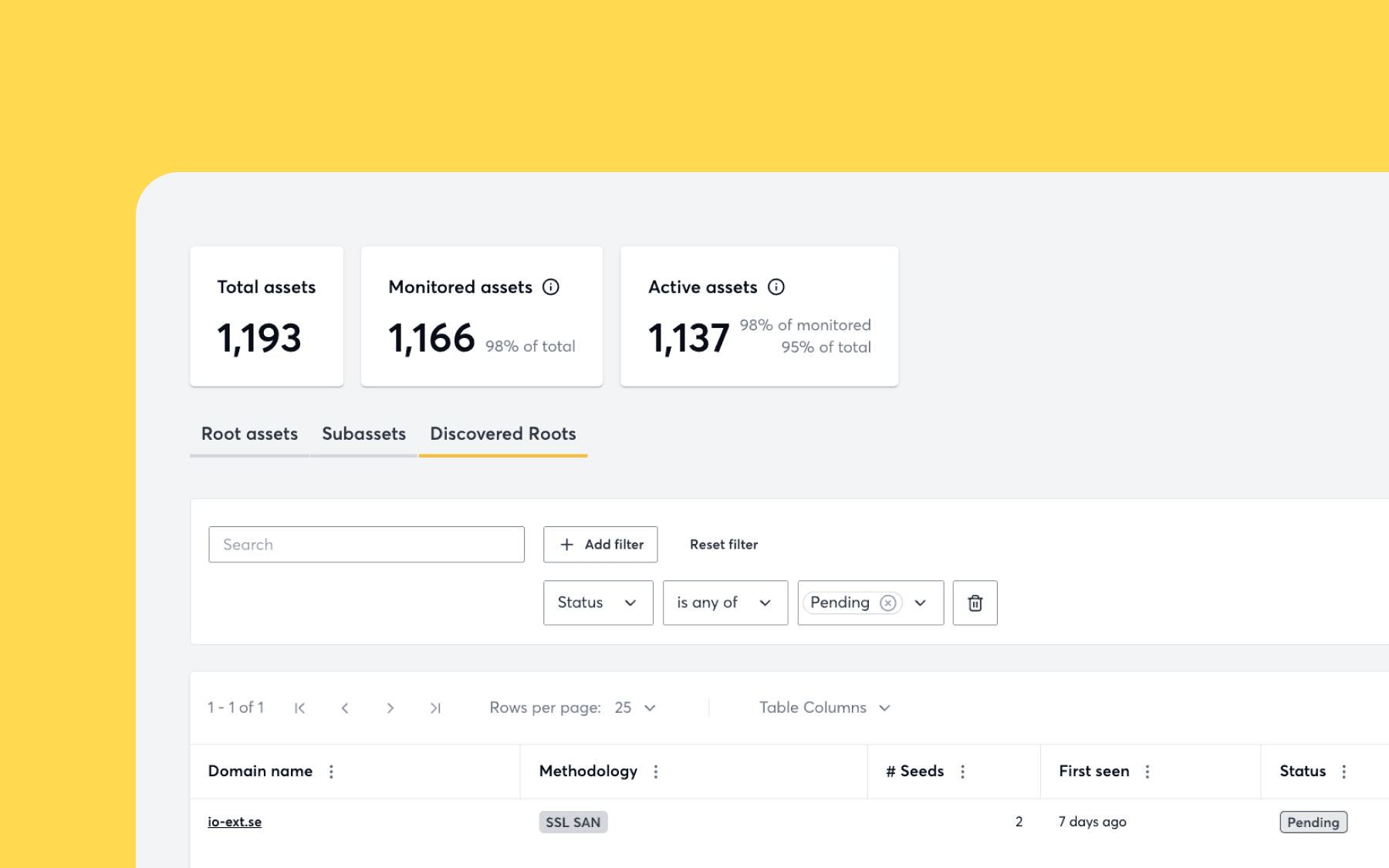
Introducing Apex Discovery to secure every domain you actually own
Most tools will only test the domains you already know about. We’ve decided that’s not enough. TLDR: Detectify’s new Apex Discovery automatically identifies root domains …
Detectify

On October 20, 2026, the PHP security team issued an advance security advisory regarding two critical vulnerabilities, CVE-2026-109618 and CVE-2026-109619, affecting core PHP source code. Both vulnerabilities carry a critical-severity CVSS v4.0 score of 9.2 and could potentially allow unauthenticated remote code execution (RCE) on affected servers.
The official patched PHP releases are scheduled for deployment on October 21, 2026, at 14:00 UTC. Given the potential impact across web applications, content management systems (CMS), and microservices running PHP, Detectify recommends immediate asset discovery and patching preparation.
While specific technical implementation details remain under embargo until official patches ship, early advisories indicate:
The Detectify Security Research team is actively monitoring the situation:
To ensure your organization remains protected, we recommend taking the following steps:
Most tools will only test the domains you already know about. We’ve decided that’s not enough. TLDR: Detectify’s new Apex Discovery automatically identifies root domains …

We are launching the Detectify MCP Server to deliver real-time vulnerability data and attack surface insights directly into your AI-powered workflows. Built for developers and …