- Automated security verification: Turn your security operations into an automated verification factory that keeps pace with your high-speed software delivery pipelines.
- Loop engineering: Automated, iterative workflows that prove exploitability without a human in the loop.
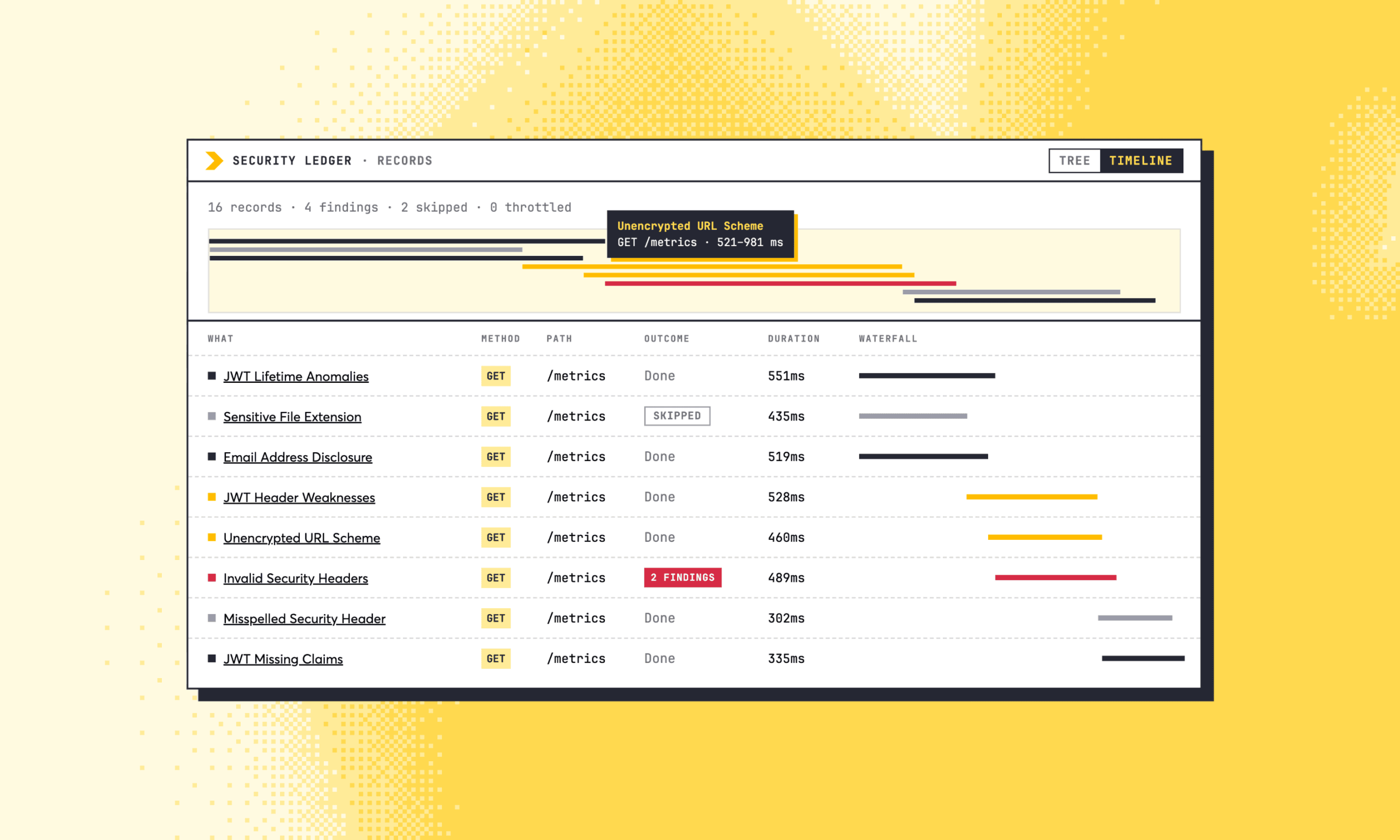
- Verifiable trust with the Security Ledger: Give your agents the tools they need to investigate vulnerabilities with proof, reducing recognition bias. The Security Ledger is a record maintained by Detectify’s Agentic Tooling that captures the assessments run, the agent’s actions, and most of the investigation traffic, providing a complete audit trail.
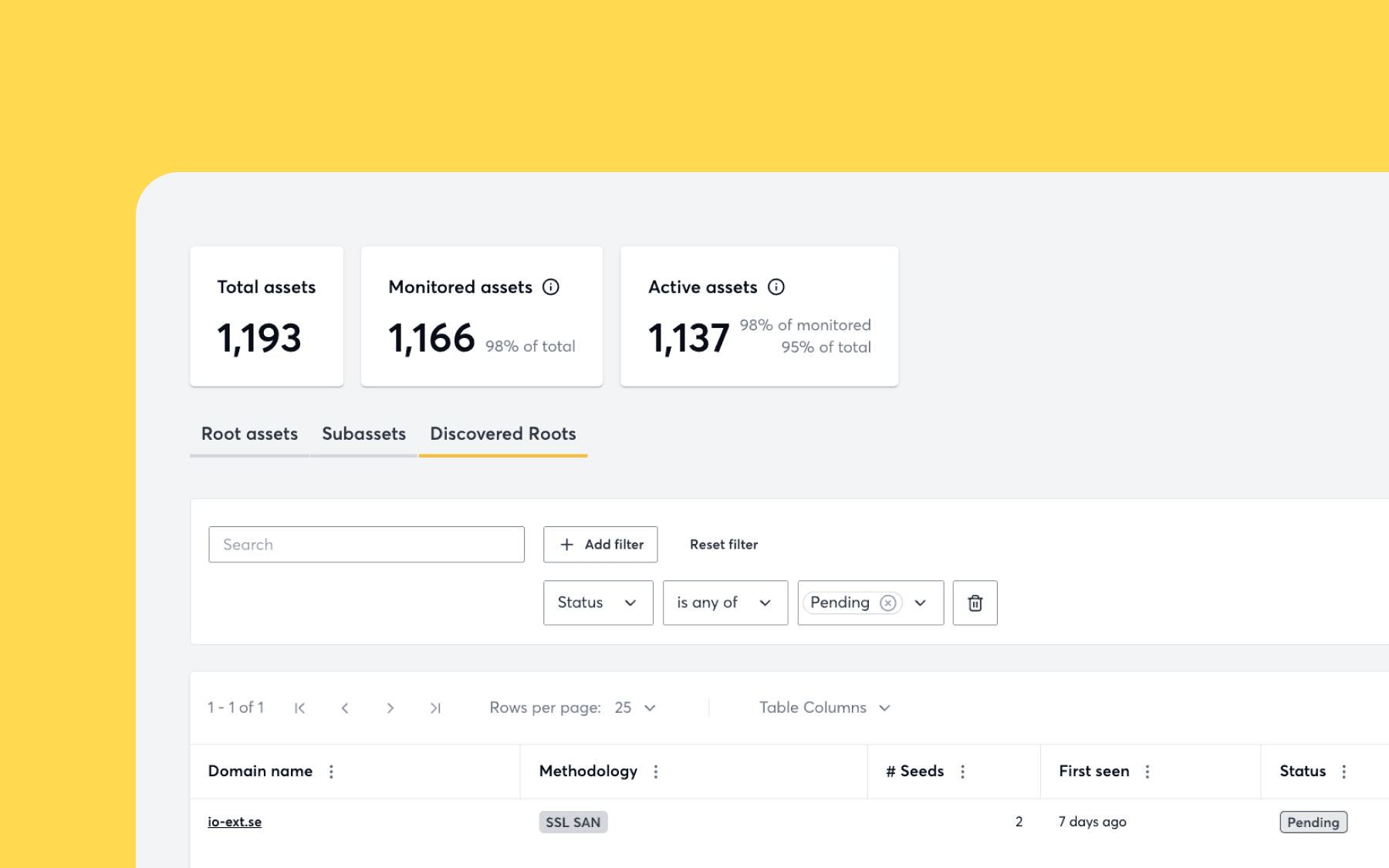
- A single source of truth: Unify and scale your verification securely across SAST findings, open ports, bug bounty submissions, and internal red team reports.
TL;DR: We are launching Agentic Tooling, a solution that brings continuous exploitability testing and automated security verification at scale to your agents. By combining loop engineering with the immutable proof of the Security Ledger, AppSec teams can deploy agents to investigate and verify vulnerabilities without a human in the loop, automatically, and with complete trust.
What is Agentic Tooling?
Agentic Tooling is Detectify’s product for AI agents. Your own agent tests each suspected security issue, such as a SAST finding or a bug bounty report, against the live app with Detectify’s payload-based assessments, and every verdict is backed by evidence in the Security Ledger, a record that your agent can’t edit.
The need for a verification factory: A verification factory is an automated loop for checking security findings: suspected issues come in as submissions, AI agents test each one against the running app, and every verdict comes with evidence. DevSecOps teams have built software factories that ship code at incredible speed. But that also means vulnerabilities are being shipped at the same speed.
AI agents are fast and exceptional at reasoning, but they have a major weakness: inconsistency and a lack of trust. Built for efficiency, they often cut corners and suffer from recognition bias. To deploy agents in a security environment, hard proof is required, not blind trust.
Introducing Agentic Tooling: Detectify’s Agentic Tooling is a solution focusing on automated security verification and continuous exploitability testing at scale. Built directly into your high-speed software delivery pipelines, Agentic Tooling helps secure your development lifecycle by providing the verifiable trust layer your agents need to turn your security operations into an automated verification factory.
Instruct your AI agents on security verification, such as verifying SAST noise and bug bounty retests. They investigate, run dynamic tests, and return with verifiable evidence and a recorded log in the Security Ledger.
How AI agent security testing works with Agentic Tooling
Instead of prompting a model at every step, Detectify uses loop engineering to test exploitability and to design iterative agent workflows. Here is how your agents verify a standard SAST finding without a human in the loop:
- The inputs: Submissions flow into the Detectify Agentic Tooling dashboard, combining static analysis, bug bounty reports, and self-reported issues from your internal red team. Every submission, which is given a separate ID, then becomes an automated ticket, a single, focused task for your internal agent to verify.
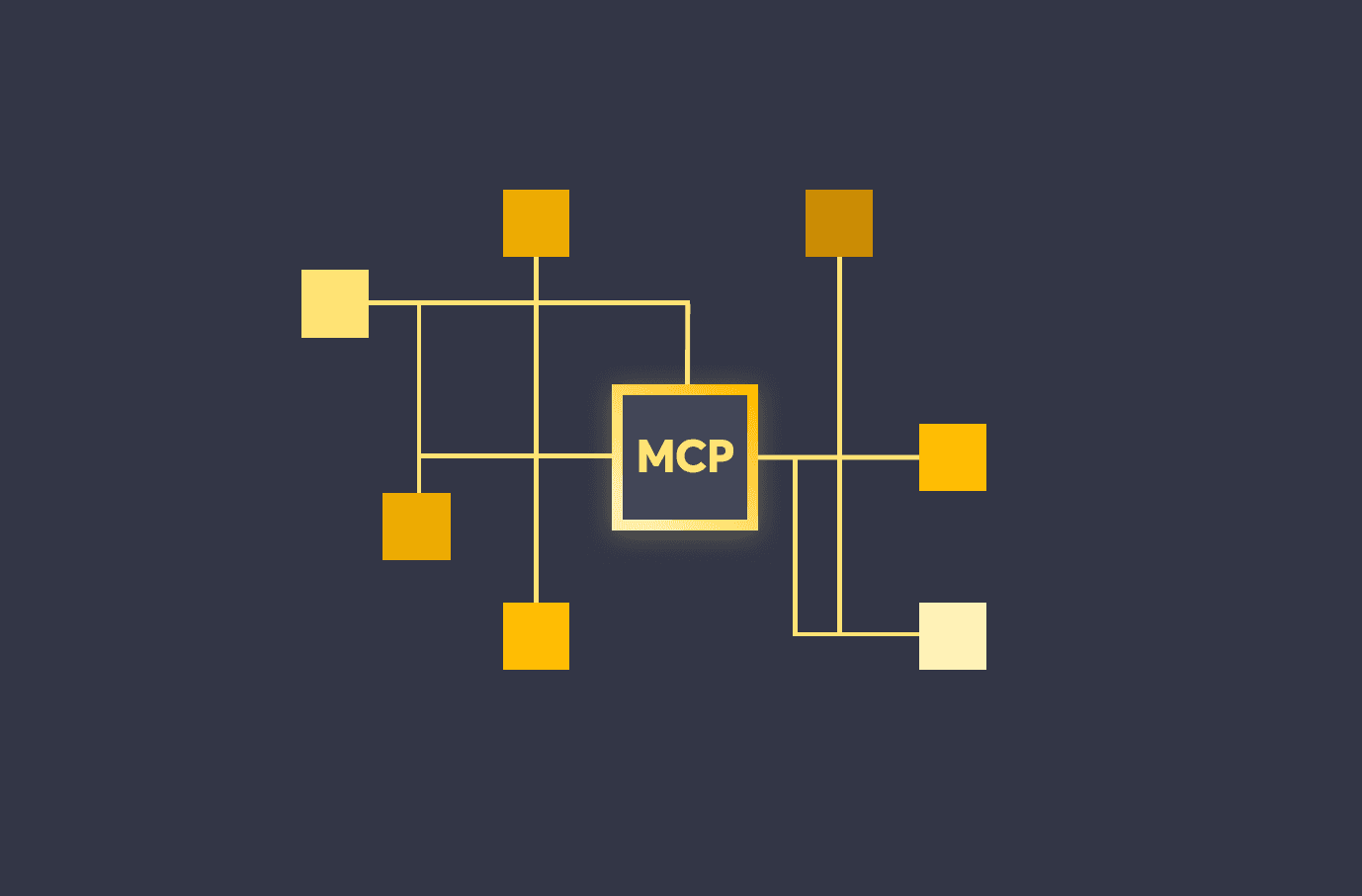
- The agent steps in: Deployed within your environment, the agent calls Detectify Tooling via an MCP server to run real assessments against the web app and confirm if the finding is exploitable.
The Security Ledger delivers evidence your agent can’t edit
An agent’s reasoning is probabilistic, but the record of what the Security Ledger actually tested is deterministic.
The Security Ledger records showcase the immutable evidence behind every agent verdict. If an agent reports a vulnerability and the ledger shows no test behind it, the finding gets rejected.
- Verifiable work: No reliance on blind trust. Every tool call, request, and payload is recorded so security engineers can check the agent’s work against their own security standards.
- Audit trail: Security Ledger is a record maintained by Detectify’s Agentic Tooling that captures the assessments run, the agent’s actions, and most of the investigation traffic, providing a complete audit trail.
- Full traceability: The Security Ledger ties directly back to the original tickets. See exactly what the agent did, the conclusions it drew, and the ledger entries that prove it.
- Inspect the evidence: If an agent reports a vulnerability and the Security Ledger shows no test behind it, the finding gets rejected.
- A ledger for every source: Scale your verification securely across SAST findings, open ports, bug bounty submissions, and other use cases like AI pentesting.
Who is it for, and how do I get started?
Agentic Tooling is designed for security teams that already run agents, or are ready to, and want to verify SAST findings and bug bounty reports with evidence instead of triaging them. It works with agents that support MCP, such as Claude Code, using your own model.
See it in action on your own findings by booking a demo.
Ready to build your verification factory? Give your agents Detectify’s tooling, and get the hard proof you need to trust their verdicts.
Book a demo or start a trial.
FAQs
Is Agentic Tooling AI pentesting?
Partly. Your agent runs real attacks against a live system, but it answers a narrower question: is this specific suspected issue real? It works one issue at a time and gives you a verdict with evidence, not a pentest report.
How is it different from DAST scanning?
DAST scanning, like Detectify’s Application Scanning, tests your running apps continuously for whatever it can find. Agentic Tooling verifies specific suspected issues, such as SAST findings or bug bounty reports, using the same testing engine.
Which AI agents does it work with?
It works through MCP so you can use LLM’s such as Claude Code and OpenCode. Detectify doesn’t host or run your agent: you keep your agent, your model, and your setup.
Does it need access to my source code?
Detectify Agentic Tooling needs access to your source code within your environment to trace issues to where they are exploited in the running app. However, Detectify does not access or store your codebase; we only receive the final investigation data, ledgers, ticket contents, and request metadata. Note that SAST exports can include code snippets; if you’d rather not share those, you can describe the issues in plain text instead.
How is it different from the Detectify MCP Server?
The MCP Server gives your agent Detectify’s data. Agentic Tooling gives it testing tools, a work queue of tickets, and an evidence record in the Security Ledger that it can’t edit.